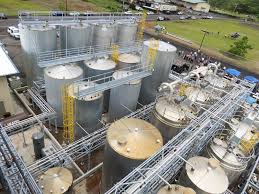
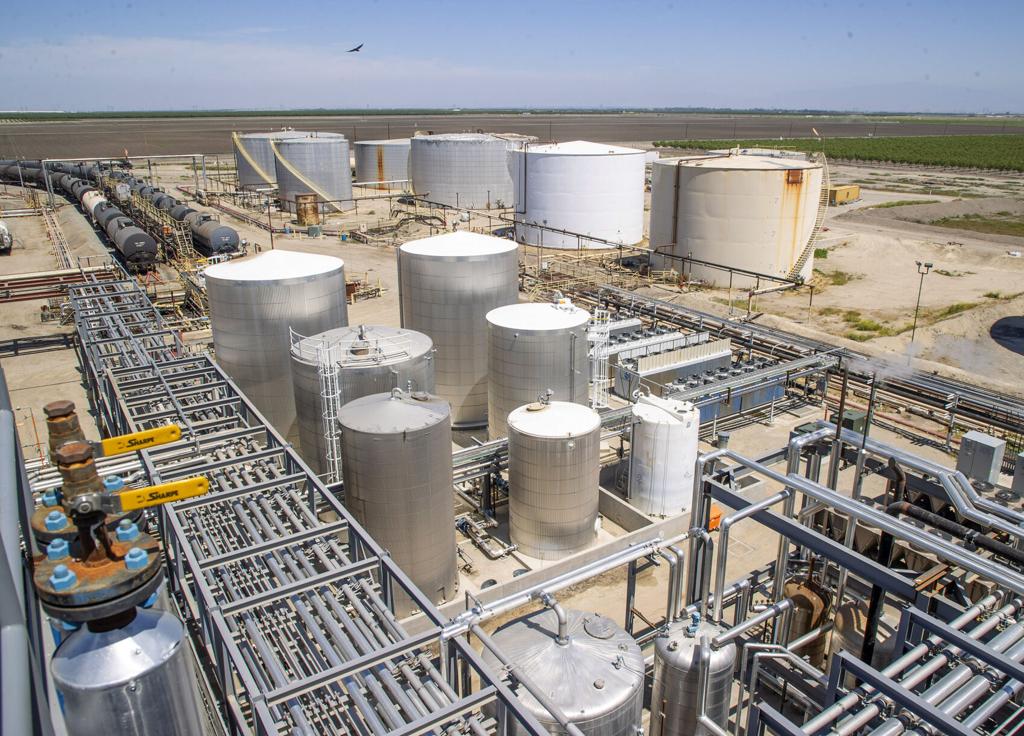
Microalgae represent one of the most promising feedstocks for next-generation renewable biofuel production, offering up to 30 times higher lipid productivity per hectare than conventional terrestrial oil crops, the ability to grow on non-arable land using saline or wastewater, and the potential for simultaneous CO2 fixation and wastewater treatment. Kerone’s Algal Biofuel Plant is a purpose-designed, integrated industrial facility that covers the complete production chain from microalgae cultivation and harvesting through biomass pre-treatment, lipid extraction, transesterification (for biodiesel), fermentation (for bioethanol), or hydrothermal liquefaction (for bio-crude) to produce market-ready biofuel products. Kerone’s algal biofuel plants are engineered to maximize biomass productivity and lipid recovery yield while minimizing energy inputs and water consumption, making the economics of algal biofuel production as competitive as possible. The plants are designed for scalability, from pilot and demonstration scale through to commercial production, allowing clients to validate the process at small scale before committing to full commercial investment.
Why Choose Kerone Algal Biofuel Plant
Kerone brings a unique combination of expertise in microalgae cultivation engineering, biomass processing technology, and chemical process engineering to the design of algal biofuel plants. The company’s engineering team has in-depth experience in the design of photobioreactors, open raceway ponds, centrifugal and membrane harvesting systems, cell disruption units, lipid extraction systems, and downstream biofuel conversion reactors, allowing Kerone to design integrated plant solutions that are technically robust and economically viable. Kerone approaches each algal biofuel project with a rigorous techno-economic analysis to identify the optimal species, cultivation system, harvesting strategy, and downstream processing pathway for the client’s specific resource base, energy supply, and target biofuel product. The company’s modular plant design philosophy allows phased investment and incremental scale-up, reducing the financial risk of commercializing algal biofuel technology.
Types and Features of Algal Biofuel Plant
Kerone’s Algal Biofuel Plants are available in open raceway pond (ORP) configurations, closed tubular or flat-panel photobioreactor (PBR) configurations, or hybrid ORP-PBR systems depending on the microalgae species, climate, and production objectives. Downstream processing pathways include: wet lipid extraction (using solvent or supercritical CO2 extraction for biodiesel production); high-temperature hydrothermal liquefaction (HTL) for bio-crude production; dark fermentation and anaerobic digestion for biogas production; and saccharification and fermentation for bioethanol production from carbohydrate-rich algae. The plant integrates CO2 supply systems (from flue gas or industrial CO2), nutrient dosing systems, harvesting centrifuges or membranes, cell disruption (bead milling or high-pressure homogenization), solvent extraction or HTL reactors, and biofuel refining units in a fully integrated and automated processing facility.
Key Features
Complete integrated algal biofuel plant from cultivation through harvesting, extraction, and biofuel conversion
Integrated CO2 capture and utilization from industrial flue gas for low-cost microalgae cultivation
High-efficiency harvesting using centrifugation, membrane filtration, or auto-flocculation systems
Advanced cell disruption technologies including bead milling, high-pressure homogenization, and ultrasonication
Techno-economic analysis and process optimization service to identify the most viable production pathway for each project
Modular, scalable design from 10 m² pilot to multi-hectare commercial scale with phased investment capability
Powered by AI, ML & IoT
Future-Ready Engineering Driven by AI & IoT
Our advanced AI, ML, and IoT technologies, this solution delivers smarter automation, real-time insights, and predictive intelligence to enhance efficiency and drive future-ready growth.
Real-Time Monitoring & Control
Continuous tracking of process parameters with instant adjustments.
Predictive Maintenance
Intelligent fault detection to prevent failures before they occur.
Adaptive Process Optimization
Dynamic tuning of operations for maximum output and efficiency.
Cloud Dashboards & Analytics
Unified access to real-time insights and performance trends.
Energy & Resource Savings
Smarter utilization of energy to cut costs and reduce waste.
Secure IoT Connectivity
Encrypted data flow with seamless integration across plant systems.
Applications of Algal Biofuel Plant
Kerone’s Algal Biofuel Plants are extensively used across multiple renewable energy and sustainable production applications.
Typical applications include:
Microalgae biodiesel production — extraction and transesterification of lipid-rich microalgae (Nannochloropsis, Chlorella) for biodiesel blending
Bio-crude production via HTL — hydrothermal liquefaction of high-moisture algal biomass into crude oil equivalent for refinery co-processing
Biogas production — anaerobic digestion of lipid-extracted algal residue or carbohydrate-rich algae for renewable natural gas generation
Integrated wastewater treatment and biofuel production — using nutrient-rich wastewater as growth medium for simultaneous treatment and biomass production
Industrial carbon capture and utilization — using concentrated CO2 from power plants, cement, or steel industries as feedstock for algae cultivation
Biorefinery co-production — simultaneous production of biofuels, high-value pigments, proteins, and polyunsaturated fatty acids from multi-product microalgae biorefineries
Microalgae-based biofuel production represents one of the most compelling pathways toward a sustainable, low-carbon energy future, and Kerone is at the forefront of engineering the industrial infrastructure required to make this vision commercially viable. Kerone’s Algal Biofuel Plants combine deep biological understanding with rigorous process engineering to deliver facilities that maximize biomass productivity, lipid recovery, and biofuel yield while managing the complex interdependencies between cultivation, harvesting, and conversion operations. By partnering with Kerone for your algal biofuel project, you gain an experienced engineering partner who will work with you from initial concept through commissioning to maximize your return on investment and accelerate your journey to commercial-scale renewable biofuel production.
Seamless Export Connections Global & Local
Our Global Footprint in Industrial Excellence
Delivering world-class industrial and process solutions across countries with precision, innovation, and reliability.
Peru
Chile
Argentina
Mexico
Colombia
Brazil
USA
Canada
United Kingdom
France
Germany
Spain
Italy
Netherlands
Sweden
Switzerland
Poland
Portugal
Ireland
Czechia
Romania
Hungary
Austria
Greece
Kazakhstan
Uzbekistan
Turkmenistan
Algeria
Egypt
Nigeria
Kenya
South Africa
Saudi Arabia
UAE
Israel
Russia
India
China
Japan
South Korea
Thailand
Vietnam
Malaysia
Singapore
Indonesia
Philippines
Australia
New Zealand
Pan-India Presence. Local Expertise.
Raipur
Bilaspur
Panaji
Vasco da Gama
Gandhinagar
Ahmedabad
Surat
Chandigarh
Gurgaon
Shimla
Manali
Bengaluru
Mysore
Kochi
Pune
Mumbai
Thane
Navi Mumbai
Hyderabad
Chennai
Coimbatore
Kolkata
Lucknow
Jaipur
Udaipur
Jodhpur
Dehradun
Haridwar
Bhubaneswar
Product Gallery
Frequently Asked Questions (FAQ)
The most extensively studied species for biofuel include Nannochloropsis (high lipid content, 20–60% dry weight), Chlorella vulgaris (versatile, fast-growing), Scenedesmus obliquus (high carbohydrate for bioethanol), and Botryococcus braunii (very high hydrocarbon content). Species selection depends on the target biofuel, local climate, and available nutrients.
Algal biofuel production costs have decreased significantly over the past decade with advances in cultivation, harvesting, and extraction technology, but remain higher than fossil fuels without policy support. Co-production of high-value bioactive compounds (protein, pigments, PUFAs) in a biorefinery model is currently the most viable commercial approach.
Open raceway ponds are lower-capital, simpler systems but expose cultures to contamination, evaporation, and temperature variation. Photobioreactors are enclosed systems offering higher productivity, better contamination control, and more precise environmental management, but at higher capital cost.
Kerone's systems can utilize industrial CO2 from flue gas, biogas upgrading, or bottled CO2 sources. The CO2 is sparged directly into the culture medium under controlled pH conditions. Using industrial flue gas as a CO2 source simultaneously reduces both algae production costs and industrial CO2 emissions.
Microalgae can theoretically yield 20,000–80,000 liters of oil per hectare per year under optimal conditions, compared to 1,000–6,000 liters for conventional oil crops. Commercial-scale production systems currently achieve yields at the lower end of this range, with ongoing research targeting improvements.
Kerone's plant designs incorporate water recycling from centrifuge or membrane harvesting effluent, which retains residual nutrients. This recycle water is returned to the cultivation system, reducing make-up water requirements and nutrient costs by up to 90%.
Sourcing CO2 from industrial flue gas, rather than purchasing bottled or liquid CO2, substantially reduces the cultivation system's input cost since flue gas CO2 is typically a waste stream the emitting facility would otherwise need to manage or release untreated. This approach simultaneously allows the algae cultivation operation to claim a carbon utilization benefit, since CO2 that would have been emitted to atmosphere is instead fixed into algal biomass, which can support sustainability reporting or, in some jurisdictions, carbon credit eligibility. Practical implementation requires the flue gas source to be reasonably co-located with the cultivation facility, since transporting flue gas any significant distance erodes the cost advantage, making this approach most viable for algae projects sited adjacent to power plants, cement facilities, or other CO2-emitting industrial operations.
Despite substantial cost reductions over the past decade in cultivation, harvesting, and extraction technology, algal biofuel production costs generally remain higher than fossil fuel prices without policy support such as renewable fuel mandates, tax incentives, or carbon pricing mechanisms that improve algal biofuel's relative competitiveness. The most commercially viable current approach to closing this gap is co-producing high-value bioactive compounds, including protein, pigments, and polyunsaturated fatty acids, alongside the primary biofuel product in a biorefinery configuration, since revenue from these co-products can offset biofuel production costs that would otherwise be uncompetitive on a standalone basis. Kerone's techno-economic analysis for biofuel projects typically explores this co-production pathway specifically because pure-play biofuel economics remain challenging without it.
The choice depends primarily on the biochemical composition of the target microalgae species and the desired biofuel product. Transesterification converts extracted lipids into biodiesel and suits high-lipid species like Nannochloropsis or Chlorella where oil content justifies the extraction and chemical conversion steps. Hydrothermal liquefaction processes whole wet biomass directly into bio-crude without requiring prior dewatering or lipid extraction, making it attractive for high-moisture biomass streams where avoiding energy-intensive drying matters. Fermentation pathways suit carbohydrate-rich species better than lipid-rich ones, converting sugars into bioethanol. Kerone's project evaluation identifies which conversion pathway best matches both the cultivated species' biochemical profile and the client's target fuel product before finalizing the downstream processing design.
Algal cultivation, whether in open ponds or enclosed photobioreactors, involves substantial water volumes relative to biomass produced, but a meaningful proportion of this water can be recovered and recycled from the harvesting process, since centrifuge or membrane harvesting separates biomass from a water stream that still retains residual nutrients rather than being fully depleted. Returning this recycled water to the cultivation system reduces both make-up water requirements and the cost of replacing consumed nutrients, since the recycled stream effectively carries some fertilizer value back into the system. This recycling capability is one of the more significant operational cost levers in algal cultivation economics, and Kerone designs water recycling loops as a standard rather than optional feature given how directly it affects ongoing input costs.
Algal biofuel projects typically begin at a pilot scale of roughly 10 square meters of cultivation area to validate species performance, harvesting efficiency, and conversion yield under the client's specific climate and resource conditions before committing to larger investment. This pilot data then informs design decisions for demonstration-scale facilities, which validate operational consistency and economics at a more meaningful production volume, before finally scaling to multi-hectare commercial cultivation. Phased validation matters because algal cultivation performance is highly sensitive to local climate, water chemistry, and contamination pressure, all of which are difficult to predict accurately without site-specific testing. Kerone's modular plant design philosophy is built around supporting this phased approach, allowing incremental capital commitment as performance data accumulates rather than requiring full commercial investment before any operational validation has occurred.
Using nutrient-rich wastewater, whether municipal or industrial, as a cultivation growth medium allows the algae facility to provide a wastewater treatment service while simultaneously producing biofuel feedstock, creating a dual revenue or cost-avoidance stream rather than relying on biofuel value alone to justify the investment. This integration can substantially improve project economics, since wastewater treatment fees or cost avoidance can offset cultivation costs in a way pure biofuel production alone often cannot achieve. The tradeoff is added complexity in managing variable wastewater composition and ensuring the cultivation system remains stable despite fluctuating nutrient loads and potential contaminant content in the wastewater stream, which requires more sophisticated process monitoring than a cultivation system using clean, consistent nutrient feed.
Kerone’s custom-designed heating and processing solutions are built to meet the demands of your growing operations. Whether you’re upgrading equipment, expanding production, or need a tailor-made solution


 Peru
Peru Chile
Chile Argentina
 Mexico
 Colombia
 Brazil
 USA
USA Canada
 United Kingdom
 France
 Germany
 Spain
Spain Italy
Italy Netherlands
 Sweden
 Switzerland
 Poland
 Portugal
 Ireland
 Czechia
 Romania
 Hungary
 Austria
 Greece
 Kazakhstan
 Uzbekistan
 Turkmenistan
 Algeria
 Egypt
Egypt Nigeria
 Kenya
Kenya South Africa
 Saudi Arabia
 UAE
UAE Israel
 Russia
 India
India China
China Japan
Japan South Korea
 Thailand
 Vietnam
 Malaysia
 Singapore
 Indonesia
 Philippines
 Australia
 New Zealand