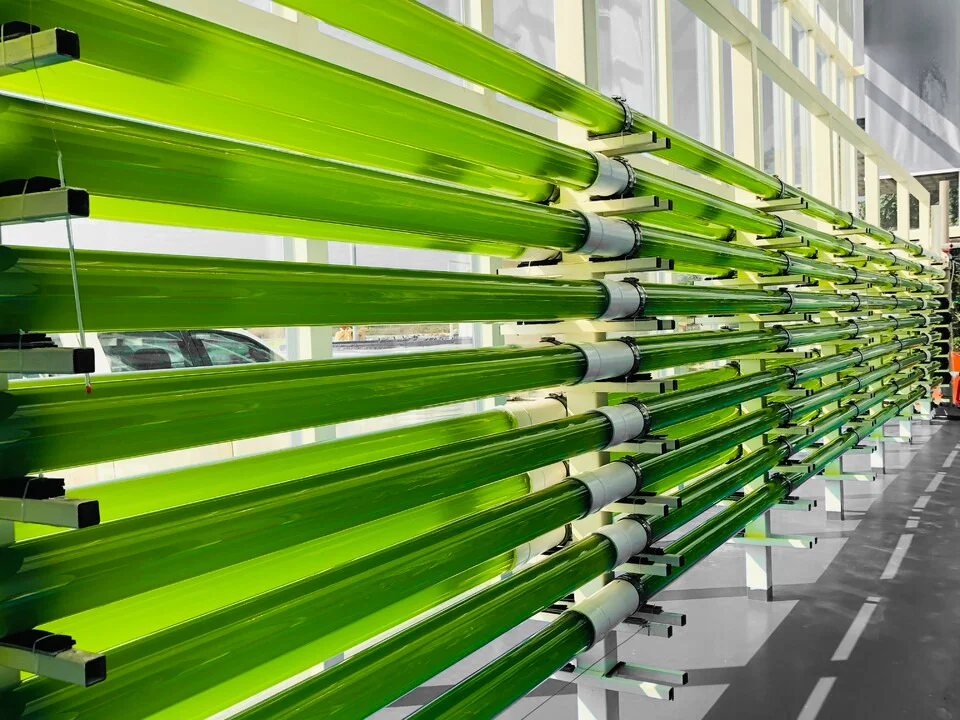
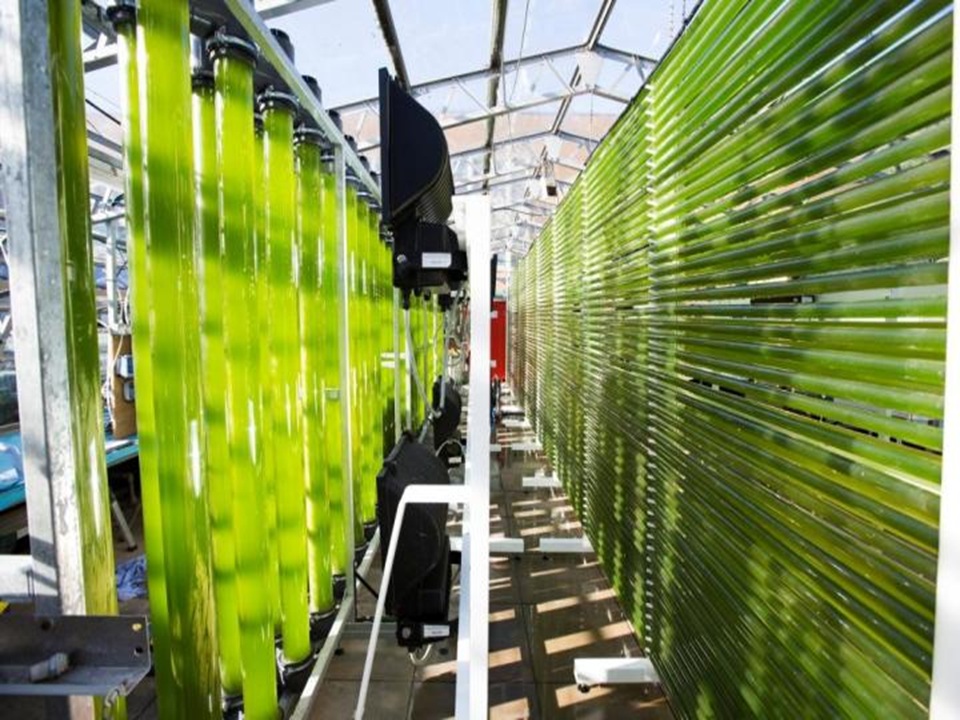
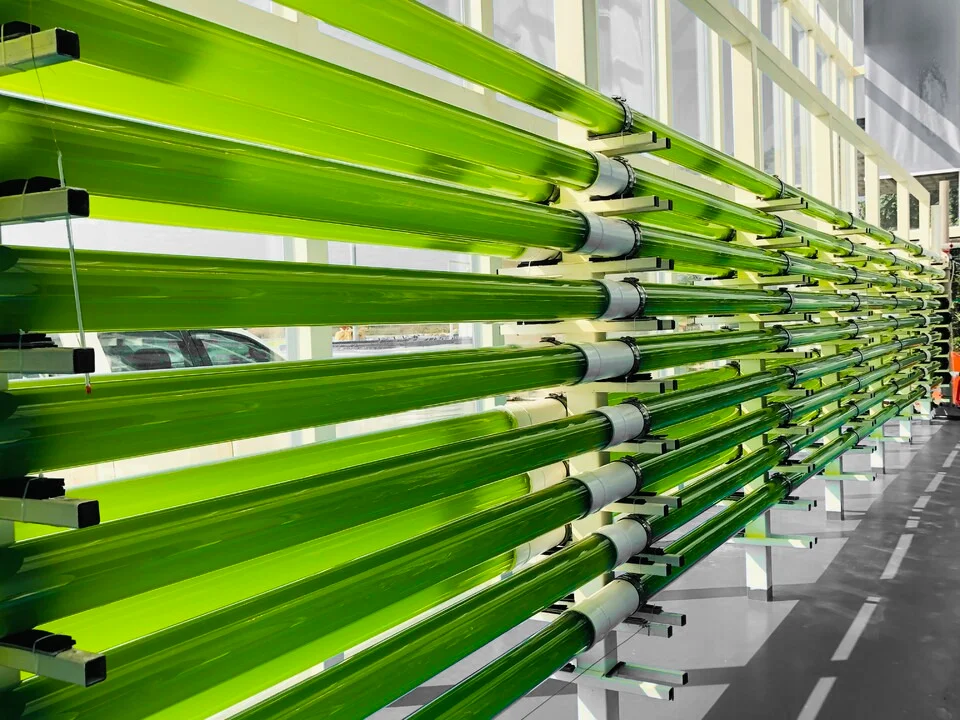
The algae biorefinery concept represents the most advanced and economically sustainable approach to microalgae and macroalgae industrial utilization, one in which a single algal biomass input is systematically fractionated and converted into multiple high-value product streams, including proteins, lipids, pigments, polysaccharides, and biomass residues, maximizing the total value extracted from each kilogram of biomass and creating diversified revenue streams that together justify the economics of large-scale algae production. Kerone’s Algae Biorefinery is a complete, integrated facility designed to receive and process algal biomass through a cascading series of extraction, fractionation, purification, and conversion operations to produce a portfolio of marketable products simultaneously from a single biomass input. Inspired by the petroleum refinery model but built on the principles of green chemistry and sustainable biotechnology, Kerone’s algae biorefineries are customized to each client’s specific biomass source, target product portfolio, available infrastructure, and commercial objectives.
Why Choose Kerone Algae Biorefinery
Kerone’s ability to design and deliver algae biorefineries stems from its integration of expertise across multiple engineering and scientific domains — bioprocess engineering, thermal processing, solvent extraction, biochemical purification, and industrial automation — making it one of the few engineering companies capable of delivering a truly integrated biorefinery as a single, coherent industrial system rather than a collection of separately procured pieces of equipment. Kerone’s biorefinery design philosophy prioritizes cascading extraction — ensuring that each product stream is extracted in sequence from highest to lowest value, with each step building on the preceding one without destroying downstream product potential. The company’s engineers work closely with clients to develop optimized extraction sequences, separation protocols, and product quality targets, supported by a strong network of analytical and biotechnology partners who contribute specific expertise in pigment characterization, protein fractionation, and lipid analysis.
Types and Features of Algae Biorefinery
Kerone’s Algae Biorefineries encompass complete processing systems including: biomass cultivation and harvesting integration; primary cell disruption (bead mill, high-pressure homogenizer, or enzymatic); aqueous two-phase or solvent extraction for lipid and pigment recovery; membrane filtration for protein and polysaccharide fractionation; spray drying or freeze drying for high-value product finishing; downstream purification by chromatography or crystallization for pharmaceutical-grade products; and anaerobic digestion or pelletization of extracted residues for energy or fertilizer use. Biorefinery configurations are customized for target product portfolios including: astaxanthin + protein + lipid (from Haematococcus); phycocyanin + protein + carbohydrate (from Spirulina); EPA/DHA oil + protein + carbohydrate (from Nannochloropsis); and beta-carotene + oil + protein (from Dunaliella salina).
Key Features
Fully integrated algae biorefinery from biomass intake through cascading extraction, fractionation, and product finishing
Cascading extraction philosophy maximizing total biomass value extraction without sacrificing downstream product quality
Advanced cell disruption technologies — bead milling, high-pressure homogenization, enzymatic — selected for target species and products
Integrated membrane filtration, chromatographic purification, and spray/freeze drying for high-value product finishing
Zero-waste design with extracted residues directed to biogas, compost, or fertilizer production for maximum resource efficiency
Complete process automation with SCADA/PLC control, real-time quality monitoring, and recipe management
Techno-economic modeling and co-product market analysis service to optimize biorefinery product portfolio and economics
Powered by AI, ML & IoT
Future-Ready Engineering Driven by AI & IoT
Our advanced AI, ML, and IoT technologies, this solution delivers smarter automation, real-time insights, and predictive intelligence to enhance efficiency and drive future-ready growth.
Real-Time Monitoring & Control
Continuous tracking of process parameters with instant adjustments.
Predictive Maintenance
Intelligent fault detection to prevent failures before they occur.
Adaptive Process Optimization
Dynamic tuning of operations for maximum output and efficiency.
Cloud Dashboards & Analytics
Unified access to real-time insights and performance trends.
Energy & Resource Savings
Smarter utilization of energy to cut costs and reduce waste.
Secure IoT Connectivity
Encrypted data flow with seamless integration across plant systems.
Applications of Algae Biorefinery
Kerone’s Algae Biorefineries are extensively used by microalgae producers and biotechnology companies targeting high-value product markets.
Typical applications include:
High-value pigment production — extraction and purification of astaxanthin from Haematococcus pluvialis, phycocyanin from Spirulina, and beta-carotene from Dunaliella
Omega-3 fatty acid production — extraction and purification of EPA and DHA from marine microalgae for nutraceutical and infant formula applications
Microalgae protein production — fractionation and purification of algal protein concentrates and isolates for food and feed applications
Polysaccharide recovery — extraction of laminarin, fucoidan, and carrageenan from macroalgae alongside lipid and protein co-products
Biofuel and biochemical co-production — integrated biorefinery combining biofuel production with high-value co-product extraction to improve overall economics
Pharmaceutical and nutraceutical ingredient manufacturing — GMP-grade production of algae-derived bioactive molecules for health and wellness product markets
The algae biorefinery represents the ultimate expression of sustainable value creation from marine biological resources — transforming a single renewable algal biomass input into a diverse portfolio of high-value products that serve multiple global markets simultaneously. Kerone’s Algae Biorefineries are purpose-built for this vision, combining rigorous process engineering with deep biological understanding and commercial market awareness to deliver facilities that are technically excellent and economically viable. Whether your biorefinery target is premium pigments, omega-3 oils, plant proteins, biofuels, or a combination of all of these, Kerone has the engineering capability, industry experience, and collaborative spirit to bring your algae biorefinery from concept to commercial reality.
Seamless Export Connections Global & Local
Our Global Footprint in Industrial Excellence
Delivering world-class industrial and process solutions across countries with precision, innovation, and reliability.
Peru
Chile
Argentina
Mexico
Colombia
Brazil
USA
Canada
United Kingdom
France
Germany
Spain
Italy
Netherlands
Sweden
Switzerland
Poland
Portugal
Ireland
Czechia
Romania
Hungary
Austria
Greece
Kazakhstan
Uzbekistan
Turkmenistan
Algeria
Egypt
Nigeria
Kenya
South Africa
Saudi Arabia
UAE
Israel
Russia
India
China
Japan
South Korea
Thailand
Vietnam
Malaysia
Singapore
Indonesia
Philippines
Australia
New Zealand
Pan-India Presence. Local Expertise.
Raipur
Bilaspur
Panaji
Vasco da Gama
Gandhinagar
Ahmedabad
Surat
Chandigarh
Gurgaon
Shimla
Manali
Bengaluru
Mysore
Kochi
Pune
Mumbai
Thane
Navi Mumbai
Hyderabad
Chennai
Coimbatore
Kolkata
Lucknow
Jaipur
Udaipur
Jodhpur
Dehradun
Haridwar
Bhubaneswar
Product Gallery
Frequently Asked Questions (FAQ)
An algal biofuel plant is focused primarily on converting algal biomass into fuel. An algae biorefinery takes a broader approach, extracting multiple high-value products (pigments, proteins, lipids, polysaccharides) from the same biomass in a cascading series of extractions, significantly improving the overall economics of algae production.
Spirulina (phycocyanin + protein + carbohydrate), Haematococcus pluvialis (astaxanthin + lipid + protein), Nannochloropsis (EPA oil + protein + carbohydrate), Chlorella (protein + lipid + pigments), and Dunaliella salina (beta-carotene + glycerol + protein) are the most commercially important biorefinery species.
In cascading extraction, the highest-value, most labile products (such as pigments) are extracted first under the gentlest conditions, followed by lipids, proteins, and finally polysaccharides and carbohydrates, with each extraction step operating on the residue from the preceding step to avoid cross-contamination and maximize yield.
Yes. Kerone's process development team works with clients' proprietary strains, conducting cell disruption studies, extraction screening, and fractionation trials to develop optimized biorefinery protocols specific to the client's strain and target product portfolio.
Kerone integrates inline and at-line quality monitoring including UV-Vis spectrophotometry for pigment quantification, NIR for biomass composition, HPLC sampling points for product purity, and microbial monitoring, with full data logging for traceability and regulatory compliance.
Yes. Kerone provides comprehensive techno-economic analysis (TEA) services covering capital cost estimation, operating cost modeling, revenue projections for different product portfolios, sensitivity analysis, and payback period calculation to support investment decision-making.
Cascading extraction is sequenced from the most valuable and chemically labile compounds, such as pigments, through to progressively more robust and lower-value fractions like polysaccharides and residual biomass, specifically because many high-value compounds degrade or lose purity if exposed to the harsher conditions required to extract a different fraction first. Extracting lipids or proteins before pigments, for instance, can expose pigments to processing conditions that degrade their stability or purity, reducing their market value even if they are technically still recoverable afterward. Getting this sequence wrong does not necessarily mean a product cannot be extracted at all, but it typically reduces yield, purity, or both for whichever fraction was processed out of its optimal order, directly affecting the economics that justify a biorefinery's multi-product approach in the first place.
Cell disruption method, whether bead milling, high-pressure homogenization, or enzymatic treatment, determines how completely intracellular compounds are released and how much collateral damage occurs to compounds the processor wants to preserve. Aggressive mechanical disruption like bead milling releases intracellular content thoroughly but can generate heat and shear forces that degrade heat-sensitive pigments or break down larger protein structures into less valuable fragments. Enzymatic disruption is gentler and better preserves labile compounds but is slower and adds reagent cost. High-pressure homogenization sits between these in terms of both effectiveness and gentleness. Kerone selects disruption technology based specifically on which target compounds in the client's product portfolio are most sensitive to processing damage, since the wrong choice can compromise the highest-value product in the lineup.
These species are commercially favored for biorefinery applications because each contains multiple genuinely high-value compounds simultaneously rather than a single dominant product, which is what makes cascading multi-product extraction economically worthwhile in the first place. Spirulina contains substantial phycocyanin pigment alongside high protein content and usable carbohydrate fraction. Haematococcus accumulates astaxanthin, currently one of the most valuable natural pigments, alongside lipids and protein. Nannochloropsis offers a favorable balance of EPA omega-3 oil content with protein and carbohydrate co-products. Species lacking this multi-compound value profile are generally better suited to single-product extraction processes rather than the added capital complexity of a full biorefinery configuration, which only pays off when multiple genuinely valuable fractions exist to extract.
Processing proprietary or novel strains is achievable but requires upfront process development work that is not necessary for well-characterized commercial species, since published extraction protocols and known compound profiles for species like Spirulina or Chlorella do not exist for novel strains. Kerone's approach for proprietary strains begins with cell disruption studies to determine the most effective method for that specific strain's cell wall characteristics, followed by extraction screening trials to identify viable solvent systems or separation methods for the target compounds, and fractionation trials to refine the cascading sequence. This process development phase adds time and cost compared to deploying an established protocol, but is necessary to avoid designing expensive production infrastructure around assumptions that don't hold for an undocumented strain.
A single-product facility, focused for example only on astaxanthin or only on protein, has lower capital cost and operational complexity but depends entirely on one product's market price and demand for its economics, creating significant commercial risk if that single market softens. A biorefinery's multi-product approach diversifies revenue across several product streams from the same biomass input, generally improving overall project economics and reducing single-market dependency risk, but requires meaningfully higher capital investment in additional extraction, fractionation, and purification equipment. The decision typically comes down to whether the client's target species genuinely contains multiple commercially viable compounds and whether the additional capital required for multi-product capability can be justified by realistic revenue projections across all target products, which Kerone evaluates through techno-economic analysis before recommending one approach over the other.
Techno-economic analysis combines capital cost estimation for each potential extraction and purification module with operating cost modeling and realistic revenue projections based on current market pricing and demand for each candidate product. This analysis frequently reveals that not every theoretically extractable compound from a given algae species is commercially worth pursuing, since some fractions may require disproportionately expensive purification equipment relative to their market value. Sensitivity analysis within this modeling shows how project economics respond to price fluctuations in any single product market, helping clients understand which products are essential to the portfolio's viability versus which are valuable but non-critical additions. This analysis directly shapes which extraction modules are included in the final biorefinery design rather than building capability for every theoretically possible product.
After cascading extraction has recovered pigments, lipids, proteins, and polysaccharides, the residual biomass fraction still typically contains organic material with energy or nutrient value rather than being inert waste. Common valorization pathways include anaerobic digestion of the residue to generate biogas, which can offset the biorefinery's own energy demand, or processing the residue into compost or fertilizer products given its typically favorable nutrient profile. Whether residue valorization is economically worthwhile depends on the volume of residual biomass generated and the value of biogas or fertilizer in the local market compared to the cost of alternative disposal. Kerone designs this final-stage residue handling into the overall biorefinery flow specifically to avoid generating an unmonetized waste stream from what is, after several extraction stages, still a biologically valuable material.
Algae biorefineries are commonly designed with modular extraction and purification stages connected through standardized intermediate product interfaces, which allows a new extraction module targeting a previously unexploited compound to be added downstream of existing process steps without requiring a full facility redesign. This matters because high-value compound markets, particularly for novel pigments, bioactive peptides, or specialty polysaccharides, continue to evolve, and a biorefinery built with only today's target products in mind may miss future revenue opportunities from the same biomass stream. Kerone's biorefinery designs typically include spare capacity allowances and accessible interface points specifically to support this kind of staged expansion as a client's product portfolio strategy develops over time.
Operating a multi-product biorefinery effectively generally requires access to analytical capability including UV-Vis spectrophotometry for pigment concentration verification, HPLC for compound purity assessment, and basic microbial testing, since these measurements drive real-time process decisions about extraction timing and purification endpoint. Smaller operations sometimes outsource this analytical work to contract laboratories rather than building in-house capability, while larger commercial facilities typically justify dedicated on-site quality control labs given the volume of samples generated. Kerone's process design assumes access to this analytical feedback loop and can advise clients on the appropriate level of in-house versus outsourced analytical infrastructure based on production scale and the criticality of real-time process adjustment for their specific product portfolio.
Kerone’s custom-designed heating and processing solutions are built to meet the demands of your growing operations. Whether you’re upgrading equipment, expanding production, or need a tailor-made solution


 Peru
Peru Chile
Chile Argentina
 Mexico
 Colombia
 Brazil
 USA
USA Canada
 United Kingdom
 France
 Germany
 Spain
Spain Italy
Italy Netherlands
 Sweden
 Switzerland
 Poland
 Portugal
 Ireland
 Czechia
 Romania
 Hungary
 Austria
 Greece
 Kazakhstan
 Uzbekistan
 Turkmenistan
 Algeria
 Egypt
Egypt Nigeria
 Kenya
Kenya South Africa
 Saudi Arabia
 UAE
UAE Israel
 Russia
 India
India China
China Japan
Japan South Korea
 Thailand
 Vietnam
 Malaysia
 Singapore
 Indonesia
 Philippines
 Australia
 New Zealand