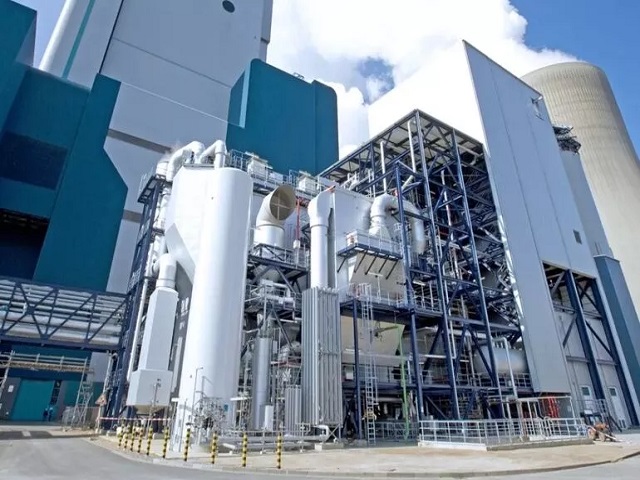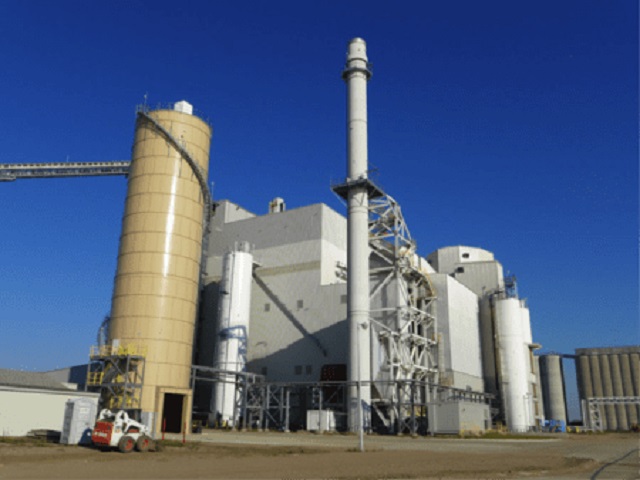
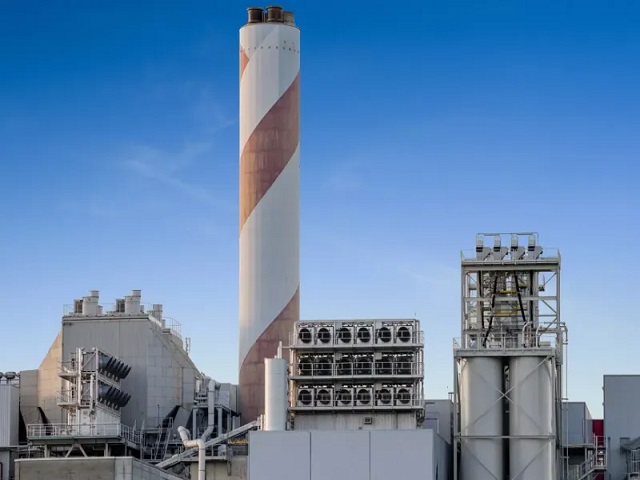


Kerone is passionate about changing how people see climate change. We aim to develop cutting-edge CO2 capture technologies for reducing the atmospheric concentration of greenhouse gases, which would in turn hinder climate change. Through our technological advancements and full array of services, we are providing efficient solutions to mitigate excess amounts of the deadly gas in the atmosphere.
Expertise, innovation, and environmental responsibility form the keystone for our company. Our focus is on the investigation, application, and application of efficient and economic capturing, storing, and using the CO2 output from industry. In collaboration with different sectors such as energy production, manufacturing, and transport, we develop specific solutions geared towards sustainability targets.
Capture, transportation and geologic storage CO2 involve many kinds of technology. Most of the efforts have gone into enhancing the efficiencies in the separation techniques for other common industrial emissions gases such as CO2s. These include various “capture” technologies. The capture processes consist of three groups of approaches depending on the industry process or specifics as related to a particular type of power plant.
Post-combustionThe flue-gas resulting from the combustion of a fossil fuel is then passed through columns that remove CO2. Post-combustion separations take CO2 in solution for its removal by adsorption or absorption. It is used in PC plants and NGCC plants. It is well-suited for use in a retrofit environment.
Pre-combustionSyngas is mainly produced by mixing carbon monoxide and hydrogen with steam and either air or oxygen. Afterward, the carbon monoxide is then transformed into CO2 via a “shift reactor”. This CO2 may then be separated in order for the H2 to become power or heat. Specifically, this technology can be well utilized to develop IGCC power plants.
Oxy-fuel combustionInstead of air, it burns the main fuel and gives off a flue gas with 80% of carbon dioxide and much water vapor. Then, this flue gas cools down and generates condensation of water vapors leaving clean stream of CO2. The production of oxygen from air requires additional equipment.
Environmental Impact and Risks of CO2 Capture TechnologyThe technology used for capturing CO2 has a great deal of importance when it comes to minimizing negative impacts associated with releasing CO2 into the atmosphere, however such technologies are also accompanied by their unique set of potential environmental and operational risks. First, the lowering of CO2 levels released into the environment that contributes to global warming, increases in temperature, severe weather disasters like floods, and sea-level elevations are a significant advantage. This is how the technology reduces the amount of the greenhouse gas in the atmosphere by retaining CO2.
Nevertheless, similar to any other risk, Carbon dioxide capture also poses certain hazards such as leakages and escaped captured gas which might cause contamination to human life and the surrounding atmosphere. Transport and storage of captured CO2 should be closely monitored to ensure no unwanted side effects are generated. The operational energy and resources needed for the setup of CO2-capture plants also result in various environmental implications including increase in energy consumption, additional water consumption and extra land requirement.
Therefore, during implementation of this technology safety, careful monitoring, and regulation should be put in place so that overall it benefits the environment more than posing risk to it. As the technology advances it is necessary to address these risks and curb their occurrence to promote responsible and sustainable use of this technology.
Our advanced AI, ML, and IoT technologies, this solution delivers smarter automation, real-time insights, and predictive intelligence to enhance efficiency and drive future-ready growth.
Continuous tracking of process parameters with instant adjustments.
Intelligent fault detection to prevent failures before they occur.
Dynamic tuning of operations for maximum output and efficiency.
Unified access to real-time insights and performance trends.
Smarter utilization of energy to cut costs and reduce waste.
Encrypted data flow with seamless integration across plant systems.
Peru
Chile
Argentina
Mexico
Colombia
Brazil
USA
Canada
United Kingdom
France
Germany
Spain
Italy
Netherlands
Sweden
Switzerland
Poland
Portugal
Ireland
Czechia
Romania
Hungary
Austria
Greece
Kazakhstan
Uzbekistan
Turkmenistan
Algeria
Egypt
Nigeria
Kenya
South Africa
Saudi Arabia
UAE
Israel
Russia
India
China
Japan
South Korea
Thailand
Vietnam
Malaysia
Singapore
Indonesia
Philippines
Australia
New ZealandKerone’s custom-designed heating and processing solutions are built to meet the demands of your growing operations. Whether you’re upgrading equipment, expanding production, or need a tailor-made solution