How Microwave Drying Protects Natural Pigments in Industrial Products
Colour is one of the first things a buyer notices. A bright orange carrot chip, a deep red chilli powder, or a fresh green mint leaf all tell the same story before anyone tastes them: this product is fresh and good quality. But there is a hidden problem that most people never hear about. Ordinary drying methods quietly destroy this natural colour, and the industry rarely talks about why. Microwave drying is one of the few methods that solves this problem well, yet the science behind it is rarely taught outside food technology circles. This blog explains it in plain, simple language and shows how it changes outcomes for fruits, vegetables, herbs, spices, and flowers.
A simple, practical guide to a process most industries use but rarely explain
Why Normal Drying Destroys Natural Colour
Natural pigments are used in every plant product to give it colour. Green is derived from chlorophyll, orange and yellow are derived from carotenoids, and red, purple and blue are derived from anthocyanins. These colours are sensitive. They decompose upon prolonged exposure to heat, oxygen and light.
Conventional drying such as sun drying or slow hot air drying will require hours or days to drive moisture out of a product. For all those years the pigments are left to warm air and oxygen. The enzymes in the plant tissue are still active for a longer period and these enzymes are active catalysts in the decomposition of colour compounds. As a result, the produce is dull and brownish, and while the taste and nutrition are largely preserved, they are not vibrant. That is why when spices are dried and then sun-dried, they tend to be a dull shade of brighter than when they are dried fresh; and that is why dried herbs of the old fashion tend to lose their bright green colour and turn an old-time olive colour.
How Microwave Drying Works
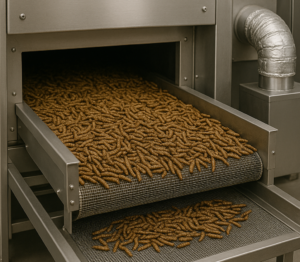
The principle of microwave drying is quite different. Rather than heating up the air surrounding the product and allowing the heat to spread to the inside, microwaves heat up water molecules inside the product. This water rapidly warms up, and the moisture becomes vapour and disperses from the inside to the outside of the product.
This one difference makes all the difference. Heating is done from the inside, so drying time can be reduced significantly, as short as a few minutes. The shorter drying time will provide less time for oxygen and heat to get to pigments and harm them. It also means that enzymes that cause decolouration are inactivated rapidly, like how vegetables are blanched before freezing. The less stressed that they are for a shorter period, the more intact the pigment molecules remain, and the product retains the colour of the fresh, raw pigment.
In short, the microwave drying preserves colour not by eliminating heat but by applying heat for a much shorter duration and in a much more astute manner.
Applications Across Industries
This is the part rarely explained in one place. Different industries care about different pigments, and each one benefits from microwave drying in its own way.
Fruits
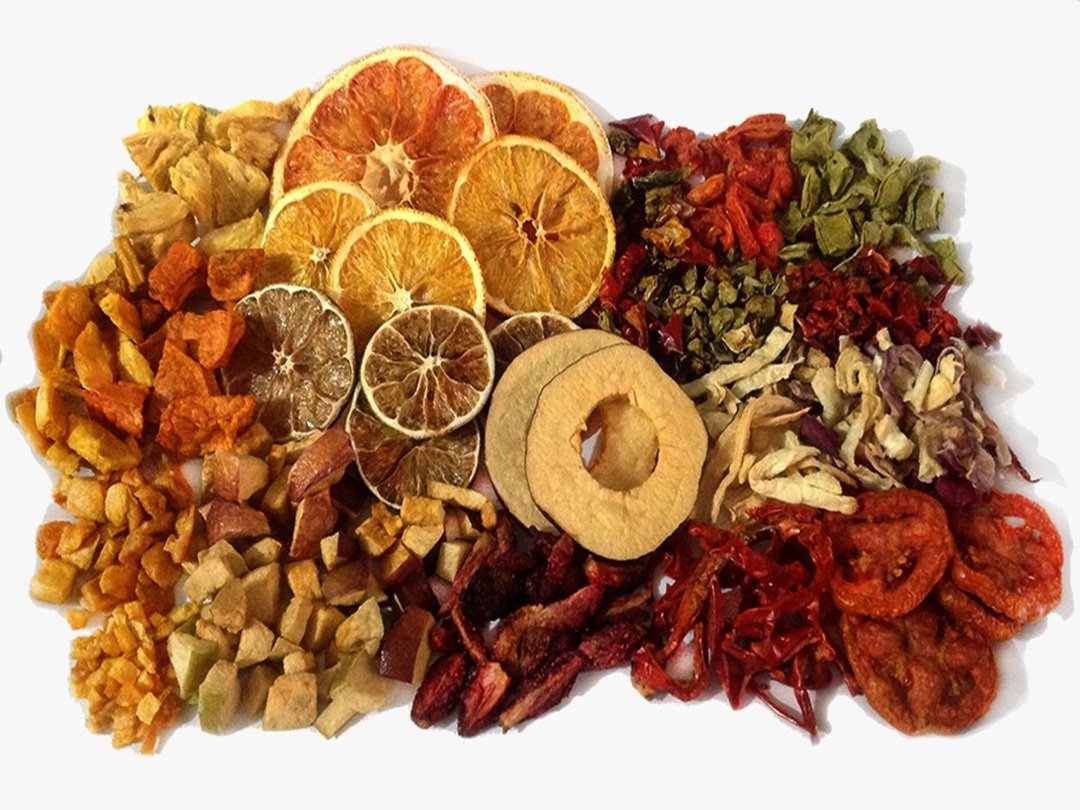
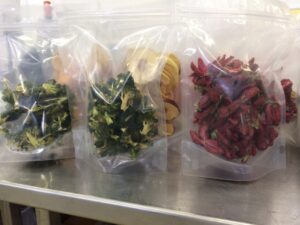
Carotenoids and anthocyanins are responsible for the colour of mango, papaya and berries. These pigments are exactly the same ones which fade the quickest with slow heat. What’s important in the growing dried-fruit and healthy-snack market is that microwave-dried fruit snacks retain their fruit colour much better than other methods of drying, which is a major factor in the quality of the product, as shoppers determine its quality first by sight before they eat it.
Vegetables
The chlorophyll and carotenoids are needed for vegetables like spinach, broccoli, carrots and tomatoes. They are extensively used in instant soup mixes, ready meals and dehydrated vegetable flakes. Buyers can tell that the vegetable pieces in these products are not very fresh, so manufacturers rely on microwave drying to ensure the pieces are still closer to the garden-fresh appearance.
Herbs
Herbs such as basil, mint, coriander, etc., are practically used for their vibrant green hue and fragrance. Drying materials slowly tends to dull the colour and intensity of the aroma at the same time because the heat and oxygen that cause the herb to lose its colour and flavour also cause the herb to lose its flavour. This is the reason why microwave drying is more and more used for high-value herb and tea products which have to be dried while protecting both.
Spices
This is where the protection of pigments on money makes the greatest direct impact. The grade and price of turmeric depend on the quality of curcumin it contains and curcumin also gives turmeric its yellow-orange colour. Paprika and chilli powders are graded according to colour value scales which set a higher, more even red colour with a higher price per kilogram. These pigments retain their natural strength and strength is directly reflected in the market price, which allows microwave drying to maintain them at that level.
Flowers
Flowers, including hibiscus, marigold and rose petals, are used for food and decoration in various teas, dyes and cosmetics. Their pigments are very susceptible to damage by heat, and petals are thin and have little structure to defend their cells. For natural dye makers and herbal tea producers, who do not use artificial colouring, the only treatment that can dry flower petals at a sufficiently rapid rate, while maintaining the bright shades and hues, is microwave drying.
Conclusion
Looking at this from a plain, practical point of view: microwave drying is valuable not because it is a fancy new technology, but because it solves a very old, very expensive problem. It shortens the time that natural pigments spend exposed to heat and oxygen, and it deactivates the enzymes that destroy colour, all while removing moisture efficiently.
Among all the industries discussed here, the spice industry benefits the most from this technology. This is because colour in spices like turmeric, paprika, and chilli is not just an appearance factor; it is directly tied to grading standards and market price. A better-preserved pigment means a better grade, and a better grade means a better price for the same harvest. Flower-based dye and tea producers come a close second, since their entire product value rests on pigment strength. For fruits, vegetables, and herbs, the benefit is more about consumer trust and shelf appeal, which still matters but does not change the price per kilogram as directly as it does for spices.
For anyone working in food processing, natural dyes, or herbal products, the lesson is simple: protecting colour is not just about looks. It is about protecting the value of the product itself, and microwave drying is one of the most practical ways to do that.
Frequently Asked Questions
-
How is microwave drying different from sun drying?
Sun drying relies on slow, outside-in heat over many hours or days. Microwave drying heats the product from the inside and finishes in minutes, so pigments and nutrients are exposed to stress for much less time.
-
Does microwave drying keep the taste of food the same?
Taste is generally well preserved because the short drying time also protects the aroma compounds and essential oils that carry flavour, especially in herbs and spices.
-
Which pigments are most sensitive to heat and time?
Chlorophyll (green), carotenoids (orange and yellow), and anthocyanins (red, purple, blue) are the three main plant pigment groups, and all three break down quickly under long heat exposure.
-
Can microwave drying be used at a large factory scale?
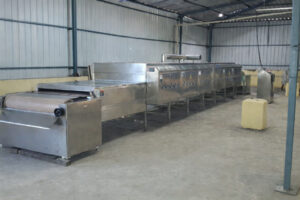
Yes. Industrial microwave dryers exist as continuous tunnel systems that can process a steady flow of product, not just small batches.
-
Does microwave drying reduce nutrients along with bacteria and enzymes?
Some nutrient loss happens with any drying method, but because microwave drying is faster, nutrient retention is often better compared to slow hot air or sun drying.
-
Why does turmeric lose colour when dried the old way?
Slow drying exposes curcumin, the pigment in turmeric, to heat and oxygen for a long time, which breaks the pigment down and leaves a duller, less valuable yellow-orange colour.
-
What is the biggest practical benefit for spice companies?
Since spice grading and pricing is often tied to colour strength, better pigment retention can mean a higher grade and a better price for the same batch of raw material.
-
Can flowers really be dried for commercial use?
Yes. Flowers like hibiscus and marigold are dried for teas, natural dyes, and cosmetic ingredients, and microwave drying is favoured because petals are too delicate for slow drying methods.
-
Does microwave-dried produce need special packaging afterward?
It generally needs the same kind of moisture-proof, light-protective packaging as any other dried product, to keep the preserved colour and freshness intact during storage.
-
How much drying time does microwave drying actually save?
It varies by product, but drying that takes several hours with hot air can often be done in a matter of minutes with microwave energy.
-
Is microwave drying considered eco-friendly?
It can use less overall energy than long-duration hot-air drying because the process finishes faster, though actual energy use depends on the equipment and the product being dried.
-
Do all fruits and vegetables respond the same way to microwave drying?
No. Water content, size, and structure differ between products, so drying settings need to be adjusted for each type rather than using one setting for everything.