
Cold Atmospheric Plasma vs. Vacuum Plasma: Key Differences
The choice between atmospheric plasma vs vacuum plasma comes down to one basic question: do you want to run the process in open air or inside a sealed, low pressure chamber? That single difference changes the equipment, the cost, the type of parts you can treat, and the quality of the result. What Is […]
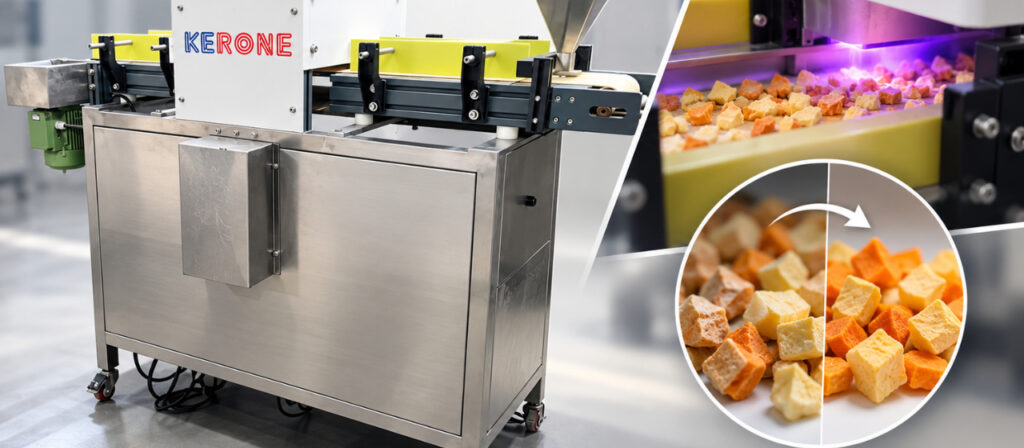
How Microwave Drying Protects Natural Pigments in Industrial Products

Colour is one of the first things a buyer notices. A bright orange carrot chip, a deep red chilli powder, or a fresh green mint leaf all tell the same story before anyone tastes them: this product is fresh and good quality. But there is a hidden problem that most people never hear about. Ordinary […]
Microwave Drying Revolutionizes Black Soldier Fly (BSF) Processing

The black soldier fly (BSF) business is flying globally. The farmers and Agri-tech innovators are transforming the larvae into the protein-rich animal food, bioplastic material and recyclers of waste. But, with all this advancement, there remains one important difficulty, which is to dry the larvas so as to preserve their nutrient value, and yet in […]
Microwave Heating Systems for High-Throughput Industrial Operations
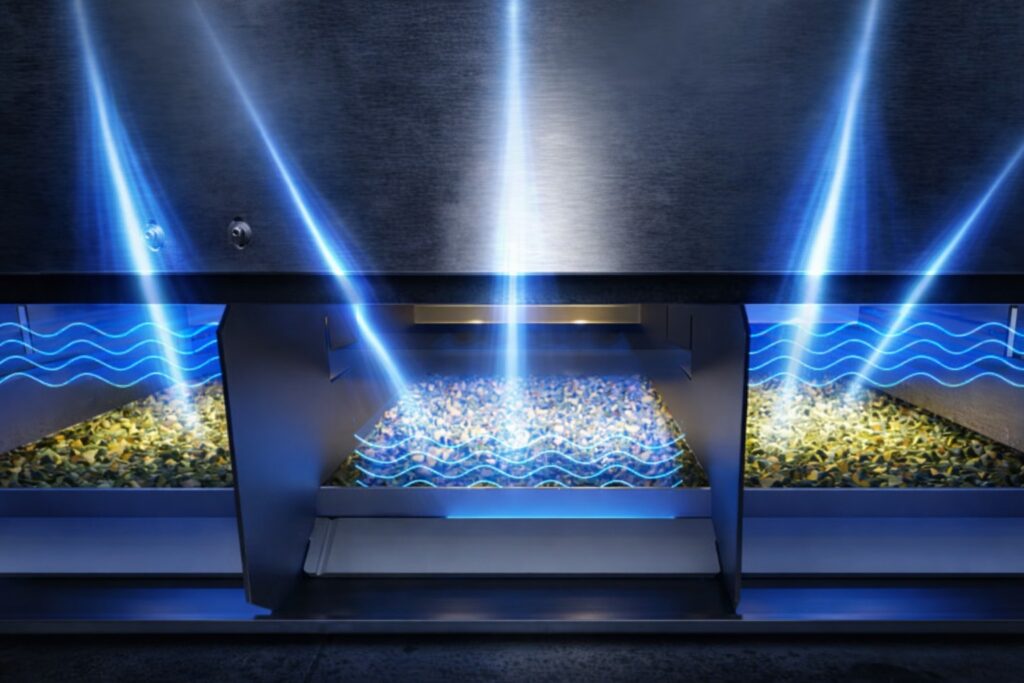
The present competitive manufacturing environment demands that throughput is not a mere performance measure, but it is a key to business survival. The conventional heating technologies like convection and conduction find it difficult to meet the high-volume industrial needs and, in many cases, they result in bottlenecks during the production process, the production of poor […]
An Overview of Lab-Grown Diamond Manufacturing Processes
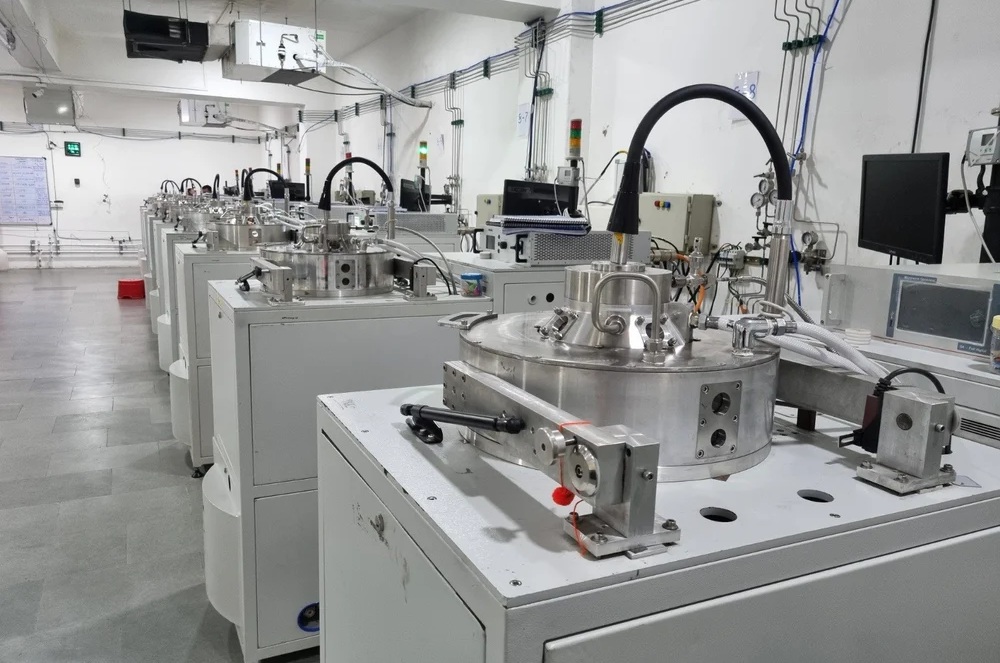
Natural diamonds form deep underground, about 177 to 241 km below the surface. Pressures at this depth can reach nearly 50,000 atm. (One atmosphere, or “atm,” is similar to the air pressure at sea-level). Temperatures will vary from 900º to 1,300º C. These intense conditions compress carbon into its most compact type, making diamonds in […]
Changes Chemical and Physical Properties During Microwave Drying of Rice
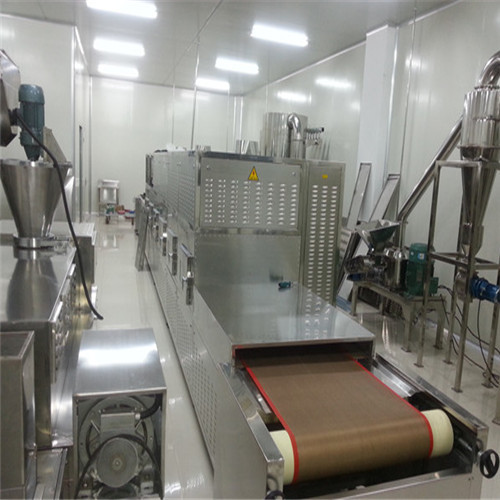
Conventional rice drying is performed using heated air that transfers energy to the surface of grain kernels by convection. The energy transfer within the kernel is done by conduction. Water is desorbed into the drying air from the kernel surface, and a moisture gradient is established within the kernel, with water molecules diffusion toward the […]
Comparison of Conventional Heating and Drying Methods with Microwaves

The mechanism for drying with microwave energy is quite different from that of standard drying. In standard drying, heat is transferred to the surface of the material by conduction, convection or radiation, and into the interior of the material by thermal conduction. Moisture is initially flashed far from the surface, and therefore the remaining water […]