Cold Atmospheric Plasma vs. Vacuum Plasma: Key Differences
The choice between atmospheric plasma vs vacuum plasma comes down to one basic question: do you want to run the process in open air or inside a sealed, low pressure chamber? That single difference changes the equipment, the cost, the type of parts you can treat, and the quality of the result.
What Is Plasma and What Makes It Cold?
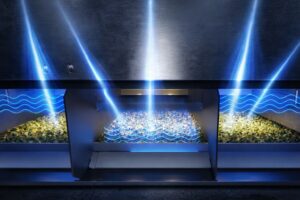
Plasma is a gas that has been given enough energy to split some of its atoms and molecules into charged particles. It contains electrons, ions, excited atoms, and reactive species such as radicals. Some plasmas also give off ultraviolet light. People often call it the fourth state of matter, after solid, liquid, and gas.
Not all plasma is hot. In a flame or a welding arc, the whole gas is very hot. In cold plasma, also called non thermal plasma, the electrons carry a lot of energy while the heavier gas particles stay close to room temperature. This is why cold plasma treatment can be used on plastics, textiles, paper, electronics, and food without burning or melting them.
One point is often missed. Vacuum plasma is usually cold as well. The word “cold” describes the gas temperature, not the pressure. So the real comparison is between cold plasma made at normal air pressure and cold plasma made at reduced pressure.
How Vacuum Plasma Works
In a vacuum plasma system you put parts inside a sealed chamber. A pump takes most of the air out. The pressure usually drops to somewhere between 0.1 and 10 mbar depending on the process.
Then a small controlled stream of process gas such, as oxygen, argon, nitrogen, hydrogen or a mix is fed into the chamber. An electric field, radio frequency or microwave turns that gas into plasma.
At pressure gas particles are far apart and travel a long way before colliding. Because of this the plasma fills the chamber fairly evenly and can reach into holes, tubes, gaps and complex shapes. The gas inside is also pure and controlled because the air has been pumped out first. That makes the vacuum plasma system stable and easy to repeat.
The trade‑off is that the vacuum plasma system is a batch process. Parts must be loaded the chamber pumped down treated, vented and unloaded. The vacuum plasma system takes time. Needs a vacuum pump and a good chamber seal.
How Cold Atmospheric Plasma Works
Cold atmospheric plasma is made at air pressure so there is no need for a sealed chamber or a vacuum pump. Typical ways to create it include dielectric barrier discharge corona discharge, plasma jets and gliding arcs. Air, nitrogen, argon or helium flows through or near a field. The plasma appears in an area close to the electrode or just above the surface of the material being treated.
Because the gas particles are close together at air pressure the reactive species in the plasma don’t last long and can’t travel far. This means the treatment must happen close to the electrode usually within a few millimeters. This makes it ideal for surfaces or gently curved surfaces, like films, sheets, labels and moulded parts. It also fits easily into a moving production line.
When air is used the plasma can generate ozone and nitrogen oxides. These byproducts must be carefully handled with extraction and ventilation systems to ensure safety.
Atmospheric Pressure Plasma vs Vacuum Plasma: The Main Differences
Operating pressure and setup
Atmospheric systems run in open air. Vacuum systems need a sealed chamber, pumps, and gas control. This is the root of most other differences.
Reach and uniformity
Vacuum plasma spreads through the chamber and treats all exposed areas, including the inside of tubes, porous parts, and powders. Atmospheric plasma is mostly a line of sight process. Its effect is strongest where the plasma touches the surface, and shadowed areas may be missed.
Throughput and integration
Atmospheric plasma can be built into a conveyor or robot line and run continuously. Vacuum plasma runs in batches, though larger systems and some roll to roll designs exist for specific products.
Cost
Atmospheric equipment is generally cheaper to buy and simpler to maintain. Vacuum systems cost more at the start and need pump servicing, but they can treat many parts in one cycle.
Process control
In a vacuum, the gas mix is clean and the conditions are consistent. In open air, humidity, temperature, and air flow can change the result, so settings may need regular checking.
Type of treatment
Vacuum plasma handles deep cleaning, etching, and thin film coating (plasma enhanced deposition) very well. Atmospheric plasma is best known for light cleaning, surface activation, and improving adhesion. Some atmospheric systems can also deposit coatings, but the options are narrower.
Where Each Method Is Used
Cold plasma for surface treatment is the largest use for both methods. The goal is usually to raise surface energy so that paint, ink, glue, or coating sticks better, or to remove thin organic contamination.
Atmospheric plasma is common in packaging film treatment, label and printing lines, automotive plastic parts before bonding or painting, textile finishing, and some electronics assembly steps.
Vacuum plasma is common in semiconductor and electronics manufacturing, medical device preparation, optics, laboratory research, and treatment of small precision parts with complex shapes. It is also used for plasma etching and for applying very thin functional coatings.
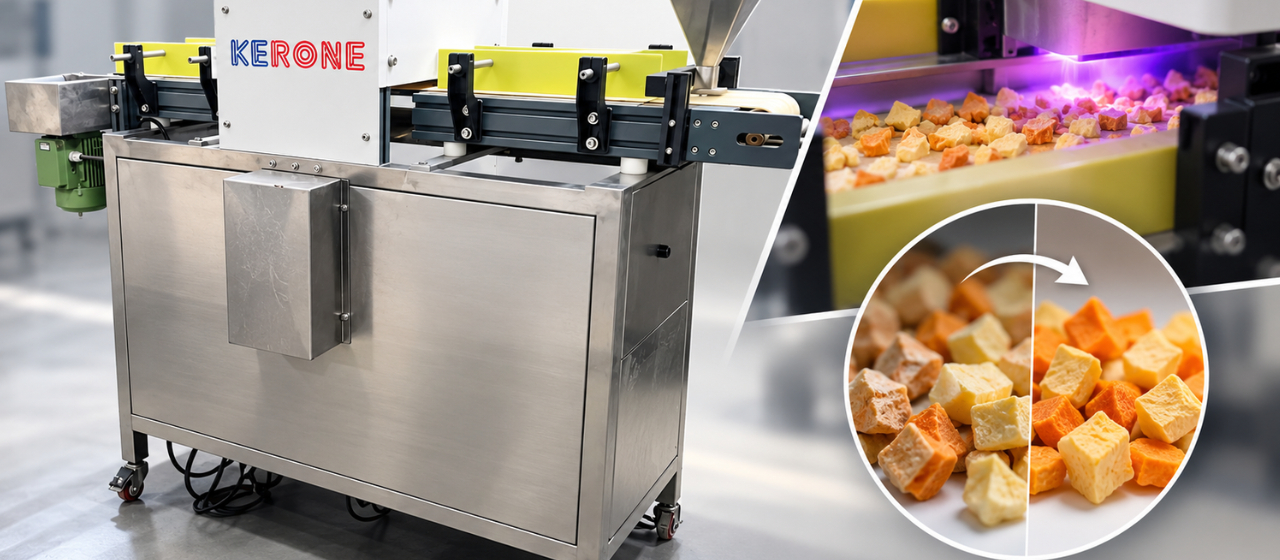
Cold plasma for food safety is a growing research area. Reactive species from plasma can reduce microbes on fresh produce, seeds, spices, and packaged food, often with little heat. Both atmospheric systems and low-pressure systems are being studied. Results depend a lot on the food type, the gas used, and the treatment time, and rules for commercial use differ from country to country.
Advantages and Limitations of Atmospheric and Vacuum Plasma
Atmospheric plasma has a lower setup cost, works inline, treats fast, and needs no chamber. Its limits are shallow reach, weaker treatment on deep or hidden surfaces, sensitivity to air conditions, and possible ozone or nitrogen oxide formation.
Vacuum plasma gives even, repeatable treatment, handles complex shapes, and allows precise gas control. Its limits are higher equipment cost, batch operation, longer cycle time because of pump down, and a size limit set by the chamber.
Which Is Better: Atmospheric Plasma or Vacuum Plasma?
Neither one is better in every case. The right choice depends on your end goal.
Atmospheric plasma is usually the better fit when parts are flat or simple, production is continuous, and the aim is activation or light cleaning. Vacuum plasma is usually the better fit when parts have complex shapes or internal surfaces, when cleanliness standards are strict, or when you need etching or thin film deposition.
Before choosing, check four things: the shape and material of the part, the volume you need to treat, the result you must reach (such as a target water contact angle or dyne level), and how long the effect must last. A small trial on your own samples, with measurements before and after, will tell you more than any general comparison.
Frequently Asked Questions
Can vacuum plasma treat powders or the inside of tubes?
Yes. At low pressure the plasma spreads through the chamber and can enter openings and gaps. Powders usually need to be stirred or tumbled so all particles are exposed. Very long or narrow tubes can still be difficult, so results should be confirmed by testing.
How long does plasma surface treatment last?
It depends on the material and storage. On many polymers the treated surface slowly goes back toward its original state, a process called ageing or hydrophobic recovery. This can take from hours to weeks. For this reason, plasma treatment is usually done shortly before printing, coating, or bonding.
Does atmospheric plasma produce harmful gases?
When air is used, small amounts of ozone and nitrogen oxides can form. In most industrial setups these are controlled with enclosures, extraction, or filters. Using nitrogen or argon instead of air can reduce them.
Can cold plasma replace chemical cleaning or primers?
In many cases it can reduce or remove the need for solvents and chemical primers, especially for light organic contamination and adhesion improvement. It does not remove thick grease, dirt, or heavy oxide layers well, so a pre cleaning step may still be needed.