
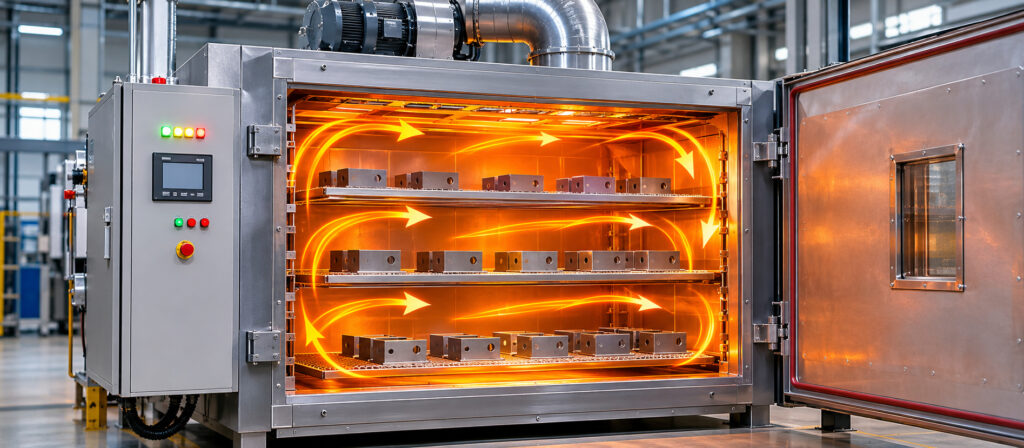
 Industrial Ovens
Industrial oven can show 180°C on its display while the parts on the bottom shelf are still well below that. The cause is usually the way air moves inside the chamber. Heat reaches the product through the air, so the speed, direction and mixing of that air matter as much as the size of the […]
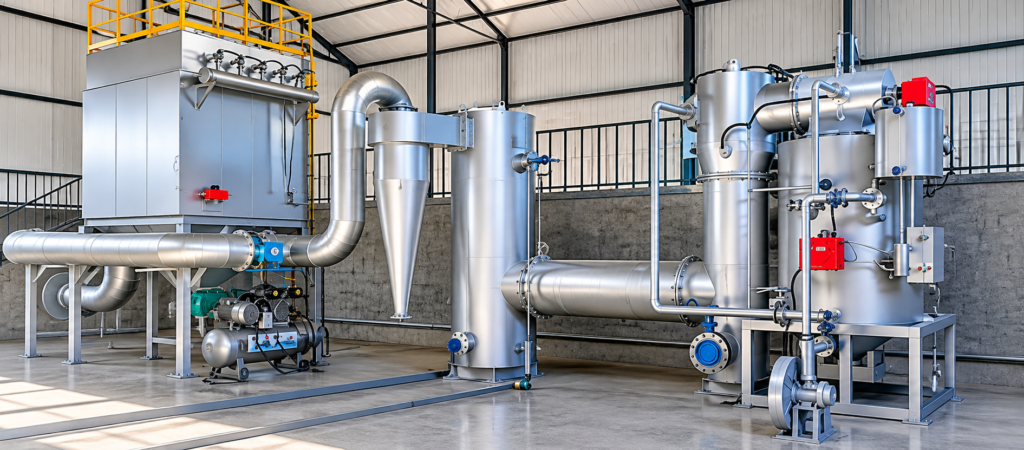 incinerator
Industrial Waste Treatment is not just about high heat exposure of unwanted materials. The moisture content, organic content, volatile content and combustible content contained in different types of waste materials are different. If burned under improper conditions, they can cause incomplete combustion and too much smoke and produce harmful emissions. That is why it is […]
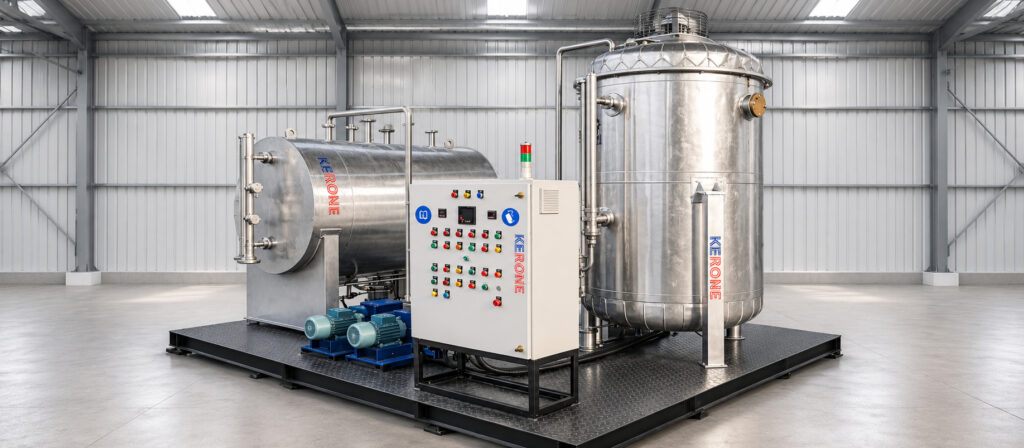 Industrial Heating Equipments
Two industrial machines carry the same nameplate rating, yet one plant hits its daily target and the other falls short by a fifth. This is common with industrial machinery, and it often leads to arguments between buyers, operators, and equipment makers. In most cases nobody is lying. A rated capacity is a single number quoted […]
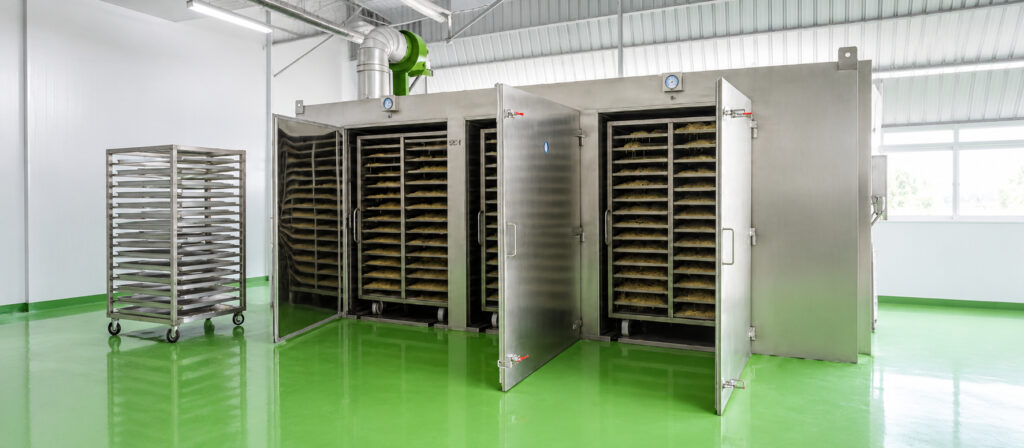 Industrial Dryers
Tray loading depth is one of the simplest settings in a hot air tray dryer, yet it is often the one that gets the least attention. When a batch comes out wet, the usual reaction is to raise the set point on the temperature controller or add another hour to the cycle. Quite often the […]
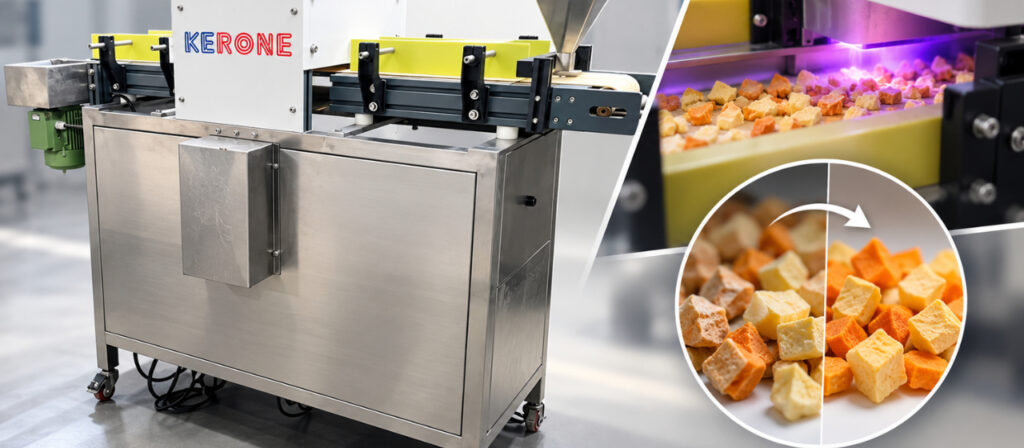 Microwave Heating Systems
The choice between atmospheric plasma vs vacuum plasma comes down to one basic question: do you want to run the process in open air or inside a sealed, low pressure chamber? That single difference changes the equipment, the cost, the type of parts you can treat, and the quality of the result. What Is […]
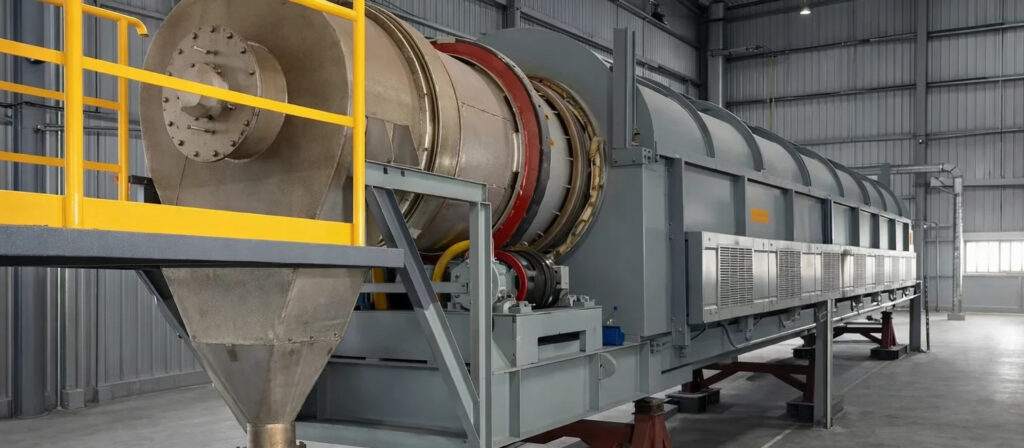 Calcination
Thermal stress cracking in calcined materials is usually blamed on fast cooling, but the damage often starts much earlier, inside the kiln. How full the kiln is and how deep the bed of solids sits both decide how evenly each particle gets heated. When heating is uneven, particles leave the hot zone with temperature and […]